.png)
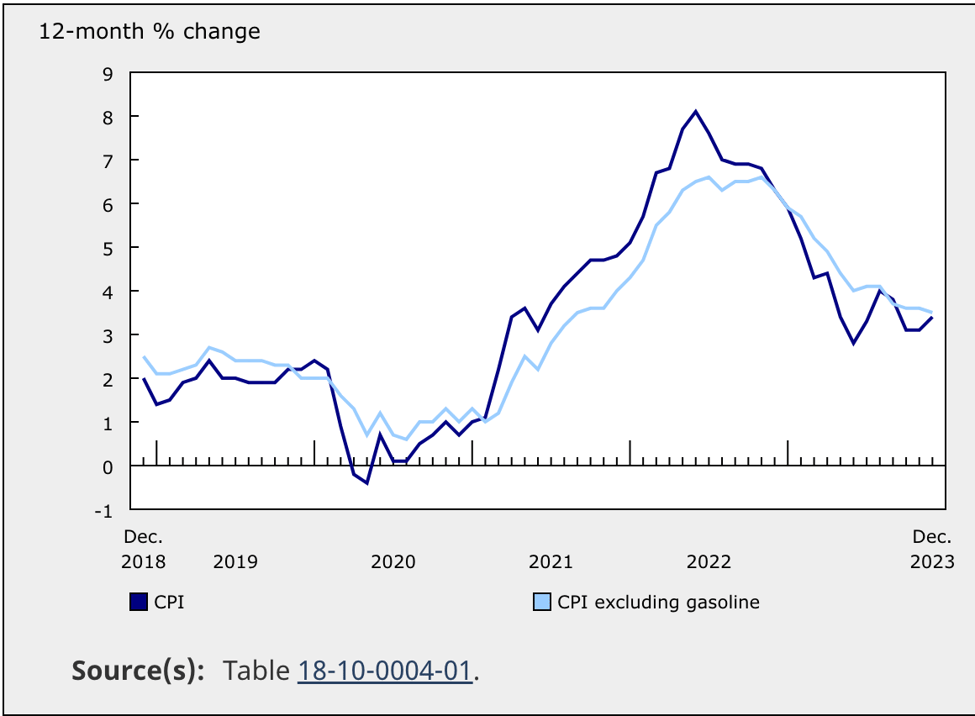
The consumer price index (CPI) rose to 3.4% in December, showing a slight increase from 3.1% in November. This recent uptick, however, marks a significant decline compared to the previous December, when it reached an astonishing 6.3%. These fluctuations in the CPI highlight the dynamic nature of economic trends and their impact on consumer prices.
The CPI is an economic indicator that measures the price changes of goods and services sold to households. The recent 3.4% increase in the CPI in December has caught the attention of consumers, economists, and businesses alike. In this blog post, we will delve deeper into the CPI and its impact on homebuyers. We will explore how the CPI affects homebuyers, what factors contribute to its fluctuations, and how you can make informed decisions when purchasing a home.
Firstly, understanding the CPI is crucial to comprehending its impact on homebuyers. The CPI is the measure of inflation that tracks and analyzes the fluctuations of goods and services prices. It is a vital economic indicator as it helps economists and policymakers understand the level of inflation in the economy. An increase in the CPI indicates an increase in the general level of prices, which consequently lowers the purchasing power of consumers. Therefore, it is important to focus on the CPI when making buying decisions, particularly involving real estate.
The CPI fluctuates with a variety of factors affecting it, the most significant of which is the supply and demand of goods and services. A decrease in supply or an increase in demand can lead to price increases, affecting the purchasing power of homebuyers. Other factors that influence the CPI include energy prices, currency exchange rates, and production costs. As a potential homebuyer, it is essential to keep track of these economic variables to know when it’s the best time to invest in a real estate property.
The CPI impacts buyers in several ways, from the price of everyday essentials to the price of real estate. Understanding how the CPI affects buyers regarding real estate rests with the idea of purchasing power. The purchasing power of the dollar drops as the prices of goods and services go up. So, if the CPI is increased while the home prices remain unchanged, homebuyers would have less purchasing power, causing them to adjust how much they pay for a home.
To make informed decisions when purchasing a home, homebuyers need to look beyond current home prices and study the overall economic climate. When the CPI is high, homebuyers should consider postponing making a purchase. On the other hand, a low CPI is an opportunity for homebuyers to consider buying. Understanding the CPI's impact on homebuyers and the economy can help you make informed financial decisions.
The CPI's recent upticks show the volatile nature of inflation and its impact on the economy and consumer prices as a whole. As a homebuyer, deciphering the CPI and its impact can appear complex. However, understanding the CPI’s meaning, why it periodically fluctuates and the impact it has on a home purchase, can set you up for success and shed valuable information for valuable investment in the future. Keep track of any changes in the CPI, research beyond current home prices, and stay current with the economic variables to stay ahead of the game. Take these tips to heart, as they can significantly bear fruits in the long run for homebuyers.